
Lower-cost long stays
Chiang Mai offers a slower base with mature café and coworking routines.
Destinations
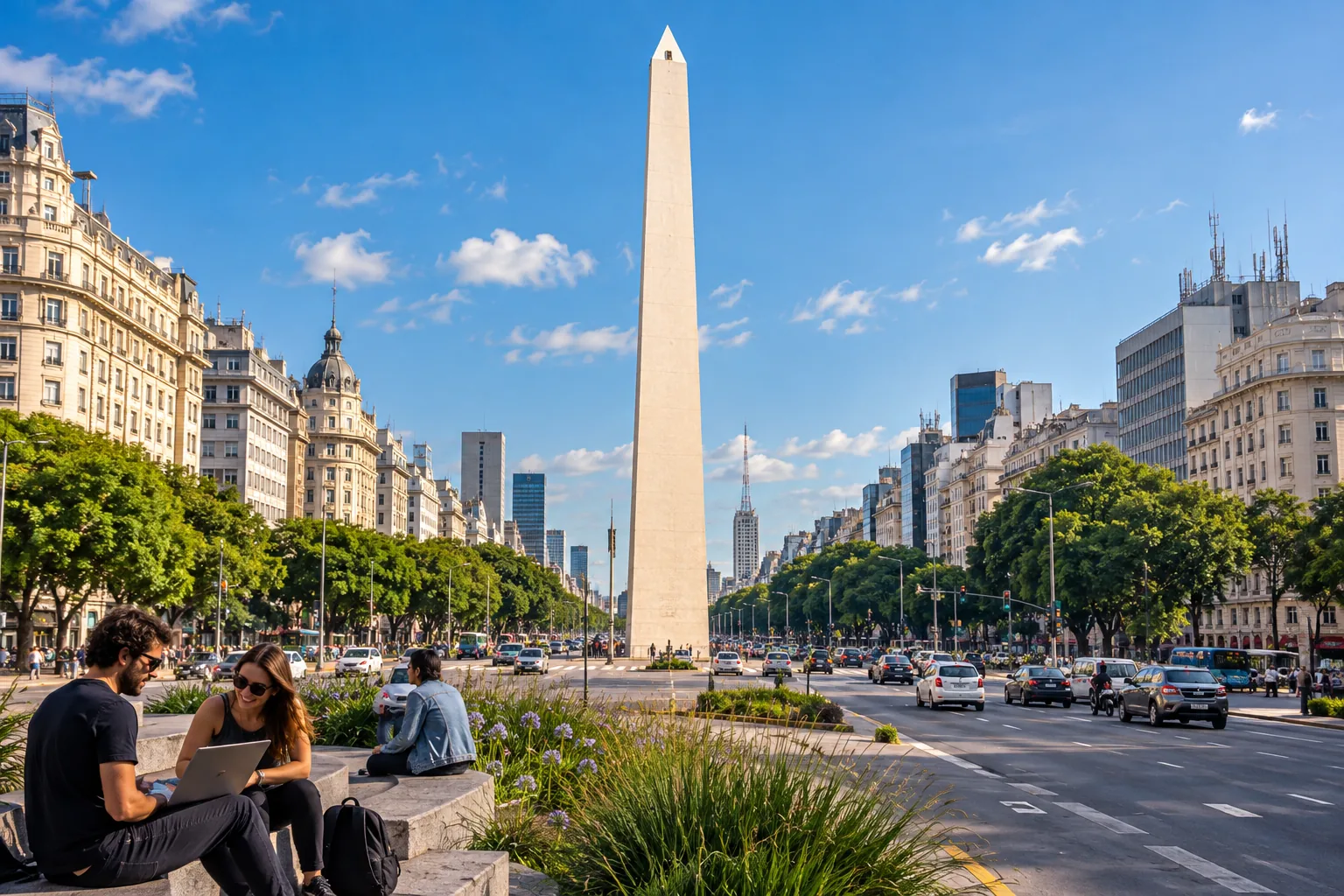
What are the best cities for digital nomads? There is no single answer for everyone. The right choice depends on your work style, preferred pace, climate, mobility needs, community, and long-stay priorities. This guide compares eight digital nomad destinations already covered on the site, from slower and lower-cost long stays to major-city infrastructure, tropical routines, coastal living, European urban life, and substantial Latin American bases. Use the quick guide and comparison table to identify a promising fit, then open the full city guide before making a move.
Quick guide
A practical decision layer
Chiang Mai offers a slower base with mature café and coworking routines.
Bangkok and Mexico City suit workers who value dense services and urban options.
Mexico City is a practical fit for many North American teams.
Canggu combines coastal routines with coworking and easy social entry.
Lisbon and Barcelona offer transit, walkable pockets, and international city life.
Chiang Mai, Canggu, and Lisbon each support recurring work and social routines in different ways.
Compare the trade-offs
| Destination | City type | Pace | Work environment | Getting around | Climate / seasonality | Community | Key trade-off |
|---|---|---|---|---|---|---|---|
| Chiang Mai | Inland regional city | Slower | Cafés and established coworking | Ride-hailing and scooter; walkable pockets | Cool season is most comfortable; burning season matters | Established and recurring | Seasonal air quality and limited walkability |
| Bangkok | Major capital | Fast and energetic | Dense coworking and amenities | BTS/MRT plus ride-hailing | Hot and humid; seasonal haze | Large but dispersed | Heat, cost, noise, and urban intensity |
| Canggu | Coastal lifestyle district | Social and flexible | Coworking, cafés, and coliving | Scooter and ride-hailing dependent | Tropical heat and wet-season disruption | Easy to enter, transient | Traffic, noise, and housing variation |
| Lisbon | European capital | Moderate, neighborhood-led | Coworking and distributed-team networks | Metro, buses, trains, walkable pockets | Mild Atlantic climate; damp winters | International and growing | Housing pressure, hills, and older buildings |
| Mexico City | Large capital | Dense and varied | Cafés, coworking, and neighborhood choice | Metro, buses, walking, and ride-hailing | High elevation; changing air quality and rain | Deep and neighborhood-based | Scale, traffic, altitude, and housing pressure |
| Barcelona | Mediterranean city | Urban and outdoor-oriented | Remote-work networks and coworking | Walking, cycling, Metro, and buses | Mild Mediterranean climate; summer heat | International and active | Housing pressure, tourism, noise, and heat |
| Medellín | Highland Latin American city | Neighborhood-led and active | Coworking, cafés, and innovation networks | Metro and integrated transport; hills matter | Temperate highland climate; frequent rain | International and locally rooted | Security context, hills, rain, and changing stay rules |
| Da Nang | Coastal Vietnamese city | Coastal and manageable | Cafés and growing coworking options | Walking within districts, ride-hailing, and scooters | Hot and humid; wet-season rain | Visible but seasonally variable | Heat, rain, building quality, and cross-city logistics |
Full guides
Thailand
A lower-cost base with café culture, coworking, and a slower long-stay rhythm.
Best for: Budget-conscious remote workers, first-time nomads, and slow travelers.
Key trade-off: Seasonal air quality and limited city-wide walkability shape longer stays.
Read the city guideThailand
A connected major city with strong transit, dense amenities, and broad remote-work options.
Best for: Urban workers who value rail transit, connectivity, and major-city services.
Key trade-off: Heat, humidity, higher costs, and limited walkability are persistent constraints.
Read the city guideIndonesia
A beach-oriented base with a dense coworking community and scooter-dependent daily life.
Best for: People who want tropical, beach-oriented living with coworking and easy social entry.
Key trade-off: Traffic, scooter dependence, noise, and housing variation affect daily comfort.
Read the city guidePortugal
A European long-stay base balancing public transport, international community, and housing pressure.
Best for: Remote workers who prefer European city life, transit, and walkable daily-life pockets.
Key trade-off: Housing pressure, hills, and older building stock complicate the workweek.
Read the city guideMexico
A large, time-zone-friendly capital with neighborhood variety, transit, and urban intensity.
Best for: People working with North American teams who enjoy dense capital-city life.
Key trade-off: Scale, traffic, housing pressure, altitude, and variable air quality require planning.
Read the city guideSpain
A walkable Mediterranean city combining cycling, beach access, transit, and a strong remote-work scene.
Best for: Workers who want Mediterranean city life, cycling, beach access, and remote-work networks.
Key trade-off: Housing pressure, tourism, noise, and summer heat remain part of the package.
Read the city guideColombia
A temperate highland city with public transport, coworking, neighborhood variety, and a growing international scene.
Best for: Remote workers who want a substantial Latin American city and are willing to plan around rain, hills, and security context.
Key trade-off: Neighborhood differences, safety decisions, Spanish-language needs, and changing immigration rules require active planning.
Read the city guideVietnam
A coastal Vietnamese city balancing beach access, a recognizable riverfront, local food, and a manageable weekday scale.
Best for: Remote workers who want a beach-and-city balance, a clear landmark-led identity, and a slower pace.
Key trade-off: Heat, wet-season rain, building-level internet, and transport across major roads shape the daily routine.
Read the city guideNext steps